Fucoidans occur naturally in brown seaweeds. They are bioactive compounds that play a pivotal role in protecting the seaweed from water-borne pathogens and other environmental challenges. Fucoidans are long chain polysaccharides characterised by a complex molecular structure and varying degrees of sulfation and acetylation.
The following frequently asked questions provide an introduction to these intriguing natural compounds.
What is fucoidan used for?
Fucoidans are versatile bioactive compounds. They are utilised in human nutrition, skincare, animal health and medical device applications and in cutting-edgepharmaceutical research. Fucoidan is typically supplied as a dry powder and is ideal for inclusion in bulk supplement powders, capsules, pressed tablets, creams, gels, serums and medical devices.
Are all fucoidans the same?
Not all fucoidans are the same. Fucoidans have different chemical structures and bioactivities depending upon two key factors:
The seaweed species from which they have been derived; and
Yes. There are now more than 4,000 published papers attesting to the various bioactivities of fucoidans, including many clinical trials. Key areas of global scientific research include integrative oncology, gut and digestive health, immune support, anti-inflammation, and skincare and dermal health.
Does fucoidan purity vary?
Fucoidan purity can vary considerably. A high purity fucoidan extract is generally considered ≥ 85%. Purity, and other measures of quality, may impact functional and therapeutic efficacy.
Does the fucoidan extraction method matter?
Fucoidan extraction methods are very important. Aqueous methods produce fucoidan extracts that remain unadulterated in chemical structure and free from solvent residues. Marinova’s fucoidans are the product of a proprietary aqueous extraction process that ensures the extracts comply with the most rigorous quality standards and regulatory requirements.
Which species of seaweed are used by Marinova?
Marinova primarily extracts fucoidan from two species of brown seaweed, Undaria pinnatifida and Fucus vesiculosus. Fucoidans derived from both Undaria and Fucus seaweeds have been extensively researched and clinically tested. It is for this reason that the company places its scientific research and manufacturing focus on these two species.
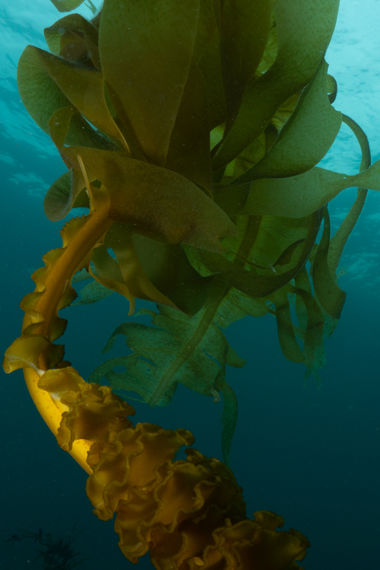
Undaria pinnatifida
Undaria pinnatifida, commonly known as wakame, is a brown seaweed native to Japan. It was introduced to the Southern Hemisphere where it is considered an invasive pest. Undaria inhabits coastal waters to depths of approximately 20 metres and is typically found in sheltered reef areas. Conditions such as temperature, available nutrients, light and depth are all important variables in the life cycle of the seaweed. Sporophylls produce up to 100 million spores which then settle and grow into new individuals. Undaria can reach approximately 2 m in length in less than one year and growth rates can be up to 1 cm per day – making the species a rapidly renewable marine resource.
Marinova utilises wild Undaria that has been hand-harvested by teams of professional divers in Tasmania (Australia) and Patagonia (Argentina). The seaweed is harvested when it reaches the peak of its growth cycle, usually during springtime. Once harvested, each seaweed is then inspected for any foreign matter, such as shells and crustaceans, before the Undaria sporophyll (known as mekabu) is separated from the blade (known as wakame). The fresh seaweed is hung on racks and sun-dried to preserve the bioactive compounds, such as fucoidan. An overview of the Undaria harvest process is provided in the video below.
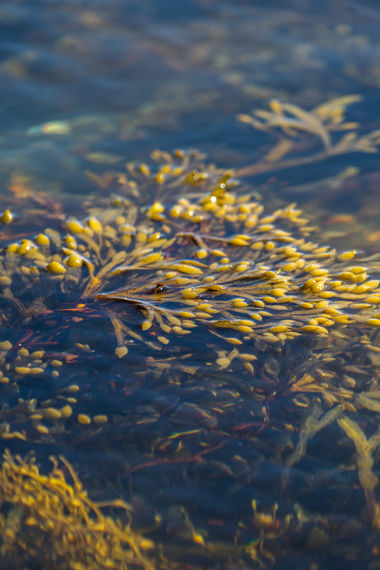
Fucusvesiculosus Fucus vesiculosus is a brown seaweed typically found along sheltered coastlines of the Northern Hemisphere. Commonly known as bladderwrack, Fucus vesiculosus is known for its branching fronds with prominent midrib and conspicuous bladder-like floats. These almost-spherical air sacs support the seaweed to float high in the water, ensuring access to ample sunlight for photosynthesis. When conditions are favourable, Fucus can occur in high densities, forming a thick carpet on the shoreline. Blades of Fucus can grow over 0.5 cm each week eventually reaching sizes of up to 2 m over their five year life span.
Marinova sources wild Fucus vesiculosus, carefully hand-harvested from the clean ocean waters of Nova Scotia in Canada. All harvesting occurs on an environmentally sustainable basis enabling the robust regrowth of this rapidly renewable marine resource. An overview of the Fucus harvest process is provided in the video below.
The potential health benefits of Fucus vesiculosus are well reported in scientific literature. Professor Harald Kylin, the Swedish chemist who first isolated and described fucoidan in 1913, focused many of his early studies on Fucus. The very first commercial fucoidan extracts available on the Western market were also derived from this species.
Please note
Please note you are now being redirected to the Maritech® organic fucoidan website.